





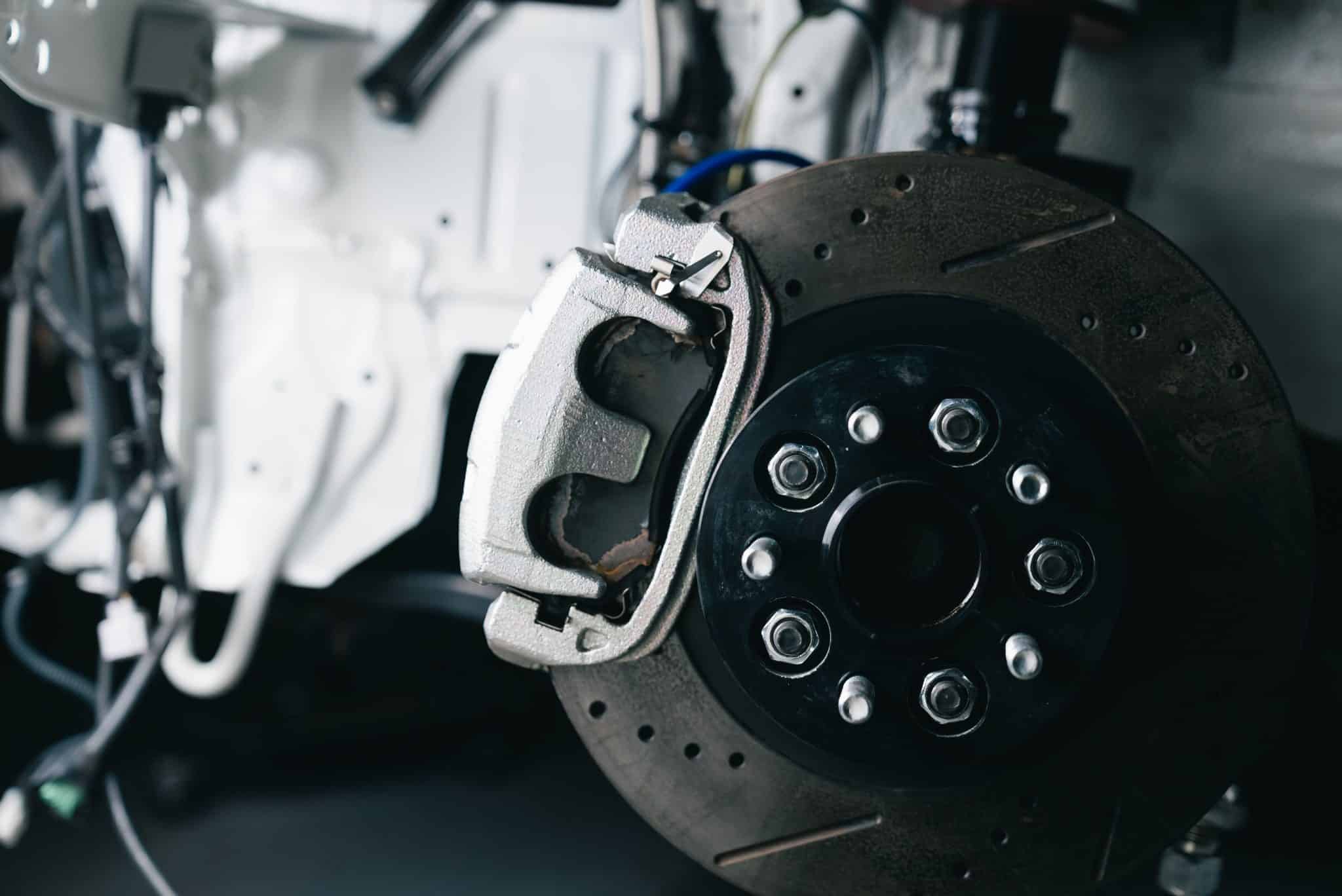
Motorsport Braking Guide
A brake bias valve plays an important role in how a car behaves under braking, especially in track, rally and motorsport environments where stability and consistency matter far more.
Every braking system relies on the correct balance between front and rear braking pressure. If too much pressure reaches the rear brakes, the rear wheels can lock too early under heavy braking. If the balance swings too far forward, braking performance can feel inconsistent and unsettled.
That is where an adjustable brake bias setup becomes useful. A properly chosen brake bias valve allows drivers and builders to fine tune front-to-rear brake balance to suit the car, tyre setup and driving conditions.
Our range of brake bias valves and supporting braking hardware is designed specifically for performance and motorsport applications where braking control becomes a major part of how the car performs.
Front Brake Load
Under braking, vehicle weight naturally transfers towards the front axle.
Rear Brake Control
Too much rear pressure can cause the rear wheels to lock before the fronts.
Setup Adjustment
A brake bias valve helps fine tune the braking system around the car and conditions.
What Is Brake Bias?
Brake bias refers to how braking force is distributed between the front and rear wheels.
Under braking, vehicle weight naturally transfers towards the front axle. Because of that movement, the front brakes usually do most of the work.
If rear brake pressure rises too aggressively, the rear wheels can lock before the fronts. Once that happens, the car can become unstable, particularly during fast corner entry or heavy braking zones on track.
Managing that balance correctly helps keep the car stable and predictable under pressure.
What Is A Brake Bias Valve?
A brake proportioning valve, also commonly called a brake bias valve, is used to control hydraulic pressure going to the rear brakes.
The valve sits within the braking system and reduces rear brake pressure once hydraulic force reaches a certain point. This helps prevent rear lock-up and improves overall braking stability.
An adjustable brake bias valve gives the driver or builder the ability to make changes depending on the setup and conditions the car is being driven in.
Here at Compbrake, our range of brake bias valves includes options designed for track, drift and motorsport builds where braking control is a major part of the setup.
How A Brake Bias Valve Works
A brake bias valve works by regulating pressure within the rear hydraulic line.
When the brake pedal is pressed, brake fluid travels through the system from the master cylinders towards the calipers. The bias valve controls how quickly pressure increases within the rear braking circuit.
At lighter braking loads, pressure passes through normally. Once braking force increases, the valve begins limiting rear brake pressure to help maintain balance.
This allows the front brakes to continue doing most of the braking work while preventing the rear wheels from becoming unstable under heavy braking.
That control becomes especially important on cars running upgraded calipers, sticky tyres or aggressive suspension setups where braking loads increase significantly.
Our range of master cylinders can be explored alongside the wider braking setup to help maintain proper hydraulic balance throughout the system.
Why Front-To-Rear Brake Balance Matters
Too Much Rear Brake Pressure
A car with too much rear brake pressure can feel nervous during hard braking.
Too Much Front Bias
The rear brakes become underused and overall braking efficiency suffers.
Correct Balance
The car feels more stable, predictable and consistent under pressure.
Brake balance has a direct effect on confidence and consistency behind the wheel.
A car with too much rear brake pressure can feel nervous during hard braking. Rear lock-up becomes more likely, especially in wet conditions or when trail braking into corners.
Too much front bias creates its own problems. The rear brakes become underused and overall braking efficiency suffers.
That balance becomes even more important in motorsport because track conditions, tyre temperatures and grip levels constantly change.
A properly adjusted motorsport brake bias valve allows the setup to be refined depending on how the car behaves.
This is one of the reasons why brake bias control is commonly paired with upgraded pedal boxes in race and rally builds where fine tuning the braking system is part of the overall setup process.
When To Use A Brake Bias Valve
Quick Answer: Brake bias valves become more useful once a braking system moves beyond a standard road setup.
Track day cars, drift builds, rally cars and lightweight kit cars often benefit from adjustable rear brake pressure control.
Cars fitted with larger rear brakes or custom hydraulic layouts can quickly develop imbalance if pressure is not controlled properly.
An adjustable valve helps bring that balance back under control and allows the system to be tuned more accurately.
Builders running upgraded brake kits often use a bias valve as part of the wider braking package to help match the new components properly.
Brake Bias Valve Vs Brake Proportioning Valve
| Term | Common Use | Purpose |
|---|---|---|
| Brake Bias Valve | Performance and motorsport discussions | Regulates rear brake pressure and improves front-to-rear brake balance |
| Brake Proportioning Valve | Technical or OEM-style terminology | Controls rear brake pressure to improve braking stability |
The terms “brake bias valve” and “brake proportioning valve” are generally used to describe the same type of component.
Both are designed to regulate rear brake pressure and improve front-to-rear brake balance.
In performance and motorsport discussions, “brake bias valve” is usually the more common term. “Proportioning valve” tends to appear more often in technical or OEM-style terminology.
Regardless of wording, the purpose remains the same. The valve helps control rear brake pressure to improve braking stability.
Lever Vs Knob Vs Screw-Type Valves
Lever-Style
A lever-style brake bias adjuster is commonly used in motorsport applications where adjustments may need to happen quickly between sessions or conditions.
Knob-Style
Knob-style valves are compact and easy to fine tune, making them popular in many fast road and track-focused builds.
Screw-Type
Screw-type valves are another common option and are often used where adjustments are made less frequently.
Different valve styles allow for different adjustment methods.
A lever-style brake bias adjuster is commonly used in motorsport applications where adjustments may need to happen quickly between sessions or conditions.
Knob-style valves are compact and easy to fine tune, making them popular in many fast road and track-focused builds.
Screw-type valves are another common option and are often used where adjustments are made less frequently.
The right style depends on how accessible the valve needs to be and how often the setup is likely to change.
Compbrake’s range of bias valves and line locks includes several adjustment styles designed to suit different types of build.
How To Choose The Right Brake Bias Valve
Choosing the right valve starts with understanding the braking system as a whole.
Cars using upgraded rear calipers, dual master cylinder setups or custom hydraulic layouts will usually benefit most from adjustable brake pressure control.
The intended use of the car matters too. A fast road setup may only need a modest adjustment range, while a dedicated race or rally build may require more precise control depending on grip levels and track conditions.
Space within the car should also be considered. Some builds benefit from compact mounting positions, while others prioritise accessibility for quick setup changes.
Supporting braking hardware also matters. Brake lines, fluid choice, caliper sizing and pedal ratio all contribute to how the system behaves under load.
For builders running more advanced hydraulic setups, our range of pedal boxes, master cylinders and brake accessories can help complete the wider braking package properly.
Brake Bias Valves FAQs
What is a brake bias valve?
A brake bias valve controls hydraulic pressure going to the rear brakes to help improve front-to-rear brake balance.
What does a brake bias valve do?
It helps reduce excessive rear brake pressure under heavy braking, improving stability and reducing the chance of rear wheel lock-up.
How does a brake bias valve work?
The valve regulates hydraulic pressure within the rear brake line and limits how quickly rear pressure increases under load.
What is the difference between a brake bias valve and a proportioning valve?
In most cases, both terms describe the same type of braking component.
Do I need a brake bias valve for track or motorsport use?
Many performance and motorsport builds benefit from one, especially where braking components or weight balance have been changed.
Can a brake bias valve help stop rear wheel lock-up?
Yes. One of its main jobs is reducing excessive rear brake pressure during heavy braking.
What is the difference between lever and knob type brake bias valves?
The difference mainly comes down to adjustment style and accessibility within the car.
Where does a brake bias valve sit in the braking system?
It is installed within the hydraulic line controlling pressure to the rear brakes.
Browse Our Brake Bias Valves
Brake balance has a major effect on how a car feels under braking, especially once performance driving and motorsport use become part of the picture. A properly chosen brake bias valve helps create a more stable and confidence-inspiring braking setup that can be adjusted to suit the car and conditions.
Here at Compbrake, we supply a range of brake bias valves, brake kits, master cylinders and pedal boxes designed for fast road, track and motorsport applications.
Whether you are building a dedicated race car or improving a track day setup, the right braking control hardware helps the car behave more predictably when it matters most.
To speak to our friendly team, you can call us on 01744 895888, email us at [email protected], or fill in our online contact form.
Send us a Message
Table of contents
Recommended products

