




Performance Braking Guide
Upgrading to braided brake lines is one of the most common changes made to a performance braking setup. For many drivers, it starts with wanting a firmer pedal feel or more confidence under heavier braking. For others, it is part of preparing a car for track days, fast road driving or motorsport use.
Standard rubber brake hoses work well for normal road driving, but under repeated heat and pressure they can begin to expand slightly. That small amount of movement affects how the brake pedal feels. Braided lines are designed to reduce that expansion and keep pressure more consistent throughout the braking system.
That is why they are widely used across track, drift and motorsport builds.
What Are Braided Brake Lines?
A braided brake line is a performance-focused brake hose designed to carry brake fluid between fixed brake components and moving parts such as the brake calipers.
Most stainless steel braided brake lines use a PTFE inner liner surrounded by a stainless steel outer braid. The inner liner carries the brake fluid while the outer braid helps stop the hose expanding when pressure builds inside the system.
Compared with standard rubber brake hoses, braided lines are designed to maintain more consistent brake system pressure, especially during repeated hard braking.
This is why they are commonly used in performance and motorsport applications where braking feel and consistency matter more.
How Braided Brake Lines Work
Every braking system works using hydraulic pressure.
Pedal Pressure
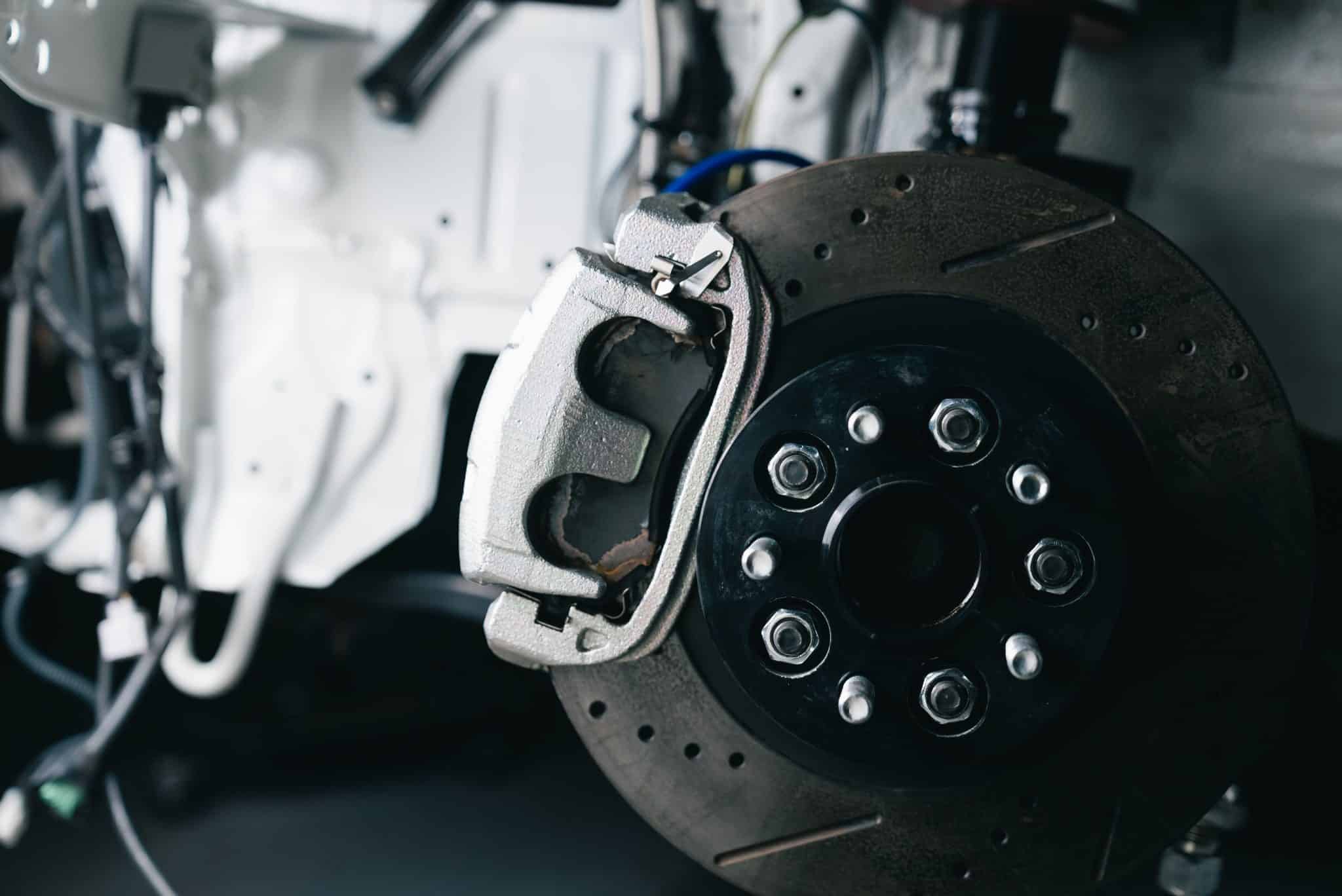
When the brake pedal is pressed, the master cylinder pushes brake fluid through the brake lines towards the calipers. The calipers then apply pressure to the brake pads against the discs.
Hose Expansion
With standard rubber hoses, the hose can flex slightly under pressure. During normal driving this is rarely noticeable, but once braking temperatures and pressure increase, that movement can become more obvious through the pedal.
Direct Response
Steel braided brake lines reduce that flex because the stainless outer braid helps reinforce the hose under load. This keeps the pressure transfer more direct and improves response through the pedal.
The result is a firmer and more consistent brake feel, particularly during repeated hard braking.
Braided Vs Rubber Brake Hoses
The biggest difference between braided and rubber brake hoses comes down to expansion under pressure.
Rubber hoses are naturally more flexible. Over time, heat cycles and repeated braking can make that movement more noticeable. The brake pedal may begin to feel softer or less precise, especially when the system gets hot.
A braided brake hose is built to resist that expansion. The PTFE liner carries the fluid while the stainless steel braid helps maintain the hose shape under pressure.
For performance driving, that matters because braking consistency becomes far more important once the car is being driven harder.
This does not suddenly increase braking power on its own, but it can improve confidence and pedal response by helping the system feel more stable under pressure.
The Main Benefits Of Braided Brake Lines
Improved Brake Pedal Feel
One of the main reasons drivers upgrade to stainless braided brake lines is the pedal feel.
Reducing hose expansion creates a firmer and more direct response through the brake pedal. This makes it easier to judge braking pressure accurately, especially during fast road or track driving.
Better Consistency Under Repeated Braking
Hard braking creates heat throughout the braking system. Under repeated load, standard rubber hoses can become less consistent.
Braided lines are designed to maintain stable hydraulic pressure even when temperatures rise. That consistency becomes especially useful on track where the brakes are used aggressively lap after lap.
More Suited To Performance Braking Setups
Many upgraded braking systems already use higher performance pads, discs, calipers and fluid.
Adding a braided brake line kit helps support the rest of the setup by improving the feel and response between the pedal and the calipers.
You can browse our range of brake kits today.
Improved Durability
Braided brake hoses are built for demanding conditions. The stainless outer braid helps protect the hose and adds reinforcement against pressure and heat.
Quality matters here. Pressure-tested hoses, proper fittings and direct replacement designs all contribute to long-term reliability.
Are Braided Brake Lines Worth It?
For drivers who use their car mainly for normal road driving, standard hoses are often perfectly adequate.
Once braking demands increase, the difference becomes more noticeable. Track day cars, drift builds and fast road setups place far more stress on the braking system. That is where braided lines begin to make more sense.
Drivers often describe the biggest improvement as confidence. A firmer, more predictable pedal makes it easier to brake consistently and judge pressure properly when driving hard.
That is why braided lines are one of the most common supporting upgrades for performance braking systems.
What To Look For In A Braided Brake Line Kit
Not all brake lines are built to the same standard.
A quality braided brake hose kit should use proper PTFE inner liners, strong stainless outer braid construction and reliable fittings. Pressure testing is also important as it helps ensure the lines can cope with the demands of performance driving.
Fitment matters too. Direct replacement kits simplify installation and help ensure the hose routing works properly with the car’s existing setup.
Some builds may also require custom length braided brake lines depending on suspension changes, caliper position or overall layout.
Supporting braking hardware should also be considered as part of the wider system.
Here at Compbrake, we offer a range of master cylinders, and for performance-focused setups involving drift or motorsport applications, we provide a selection of hydraulic handbrakes.
Braided Brake Lines For Road, Track & Motorsport Use
Fast Road
Fast road cars often benefit from braided lines because they improve pedal feel without changing the overall character of the braking system too heavily.
Track
Track cars place much higher temperatures and loads into the brakes, making consistent hydraulic pressure far more important.
Motorsport
In motorsport applications, braided brake hoses are almost expected because consistency and feedback become critical once braking points are pushed harder.
The type of driving the car sees should always influence the setup.
This is why braided lines are commonly paired with upgraded discs, calipers, fluid and bias adjustments as part of a complete braking package.
Braided Brake Lines FAQs
What are braided brake lines?
They are reinforced brake hoses designed to reduce expansion under pressure and improve braking consistency.
Do braided brake lines improve brake feel?
Yes. Most drivers notice a firmer and more direct pedal feel compared with standard rubber hoses.
Are braided brake lines better than rubber hoses?
For performance and motorsport use, braided lines are generally preferred because they resist expansion more effectively under heavy braking.
Are braided brake lines worth it?
They can be a worthwhile upgrade for drivers looking for more consistent brake feel during fast road, track or motorsport driving.
What are braided brake lines made from?
Most use a PTFE inner liner with a stainless steel outer braid for reinforcement.
Do braided brake lines increase stopping power?
They do not directly increase stopping power, but they can improve pedal consistency and braking response.
Are braided brake lines suitable for road and track use?
Yes. They are commonly used on both fast road and track-focused builds.
Find The Right Braking Upgrade For Your Setup
Braided brake lines are one of the simplest ways to improve the feel and consistency of a braking system, particularly once a car starts seeing harder use. Whether the goal is sharper pedal response on the road or more confidence on track, the right setup makes a noticeable difference behind the wheel.
At Compbrake, we supply a range of performance braking components designed for fast road, track and motorsport applications.
To speak to our friendly team, you can call us on 01744 895888, email us at [email protected], or fill in our online contact form.
Send us a Message
Table of contents
Recommended products